
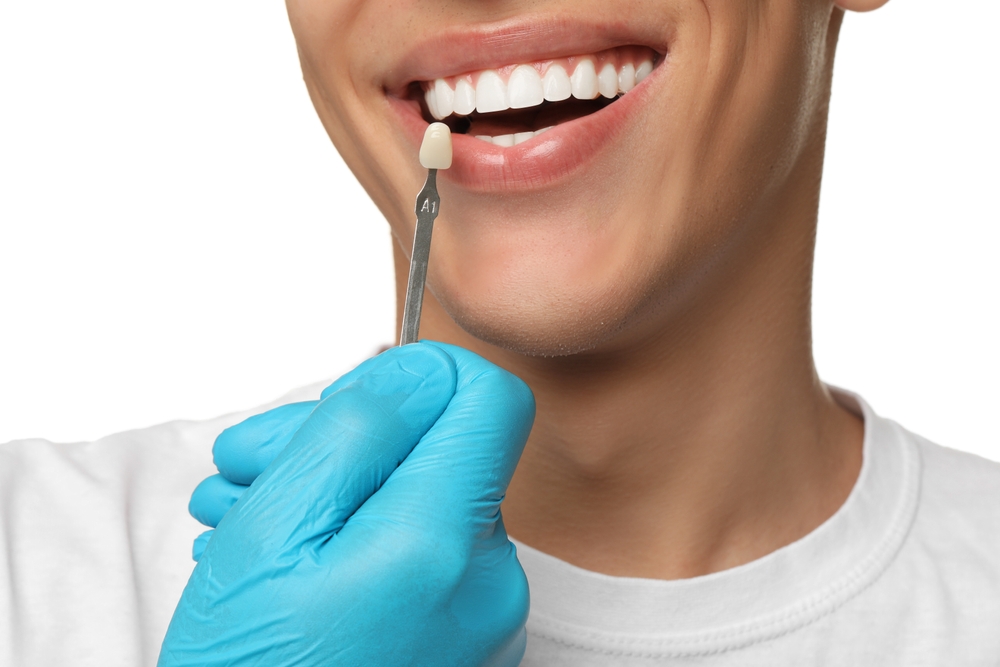
Dental veneers in Medford give people a way to correct chips, stains, and uneven edges without extensive dental work. At Summit Family Dental Care, we see many patients who want their teeth to look consistent and healthy again but aren’t sure which option fits their situation. This guide walks through what veneers actually do, who tends to benefit most, what the process looks like, and how to keep them looking good for years.
What Are Dental Veneers?
Veneers are thin shells, usually made of porcelain, that bond to the front surface of a tooth. They’re built to match the shape, color, and translucency of natural enamel, so the change blends in rather than standing out. Instead of altering an entire tooth, veneers cover imperfections like discoloration, small chips, or minor gaps while leaving the healthy structure underneath mostly intact.
Why Patients Look Into Dental Veneers in Medford
People usually start asking about dental veneers in Medford when whitening treatments haven’t fully addressed their staining, or when a chipped or worn tooth stands out in photos. Veneers offer a way to address several cosmetic concerns at once rather than treating each issue separately. We walk through your goals first, then explain whether veneers, bonding, or another option makes more sense for your teeth.
Five Key Benefits of Veneers
- Cover stubborn stains that don’t respond to whitening.
- Correct minor chips, cracks, or uneven edges.
- Close small gaps between front teeth.
- Create a more uniform, balanced smile shape.
- Preserve more natural tooth structure compared to a full crown.
Are You a Candidate?
Veneers work well for people with generally healthy teeth and gums who want to correct how their smile looks rather than fix a structural problem. Before recommending veneers, we check for:
- Enough enamel remaining to support a strong bond.
- Gum health that can handle the preparation process.
- Signs of grinding or clenching that could affect long-term wear.
If grinding is a concern, we’ll talk through ways to protect your new veneers, so they hold up over time. You can see examples of completed cases in our smile gallery, which shows the kind of results patients can expect.
What Happens During Treatment
Getting veneers usually takes a couple of visits. First, we examine your teeth, discuss what you’d like to change, and take images to plan the shade and shape. Next, we prepare the teeth by removing a thin layer of enamel, just enough to make room for the veneer without disrupting the tooth’s strength. Impressions or scans go to the lab, and you may wear temporary veneers while your final set is crafted. Once ready, we bond the veneers in place and check your bite to make sure everything feels natural.
Our team, including Dr. Ian Erickson, works through each step with you so there aren’t any surprises about timing or what comes next. You can read more about our dentists’ backgrounds if you’d like to know who you’ll be working with.
Frequently Asked Questions
How long do dental veneers last?
Many veneers last a decade or longer with proper care, though this depends on habits like grinding, diet, and how well you maintain them.
Does getting veneers hurt?
Most patients report little to no discomfort. We use local anesthesia during preparation if needed, and any sensitivity afterward is typically mild and short-lived.
Can veneers stain over time?
Porcelain resists staining far better than natural enamel, though heavy coffee, red wine, or tobacco use can still affect the surrounding natural teeth over time.
Is enamel removal required?
Yes, a small amount of enamel is removed so the veneer sits flush and looks natural. We keep this as conservative as possible and explain the process beforehand.
What if my veneer chips or cracks?
Bring it to our attention right away. Depending on the damage, repair or replacement may be an option, and we’ll walk you through what makes sense for your situation.
Keeping Your Veneers in Good Shape
Veneers hold up well when paired with consistent habits. A few things help extend their lifespan:
- Brush twice daily with a soft-bristle toothbrush.
- Floss daily to protect the gum line around each veneer.
- Wear a protective guard if you grind your teeth at night or play contact sports.
- Avoid biting down on hard objects like ice or pen caps with veneered teeth.
If you’re also curious about other ways to strengthen or restore your smile, our restorative dentistry and cosmetic dentistry services cover options beyond veneers, from minor repairs to more involved treatment.
Let’s Talk About Your Smile
If dental veneers in Medford sound like something worth exploring, reach out, and we’ll go over your options together, including cost, timeline, and what results are realistic for your teeth. You can contact our office directly to set up a time to talk, or find us on the map here. Curious what other patients have experienced? Our patient reviews share honest feedback from people who’ve gone through the process themselves.